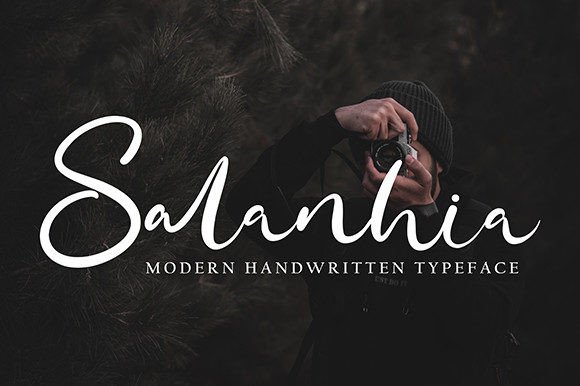
Salanhia Font: Modern Handwritten Script
Salanhia is a modern handwritten script that brings a natural, stylish touch to any digital project. As a font, it’s ideal for web designers and UI creators looking to add personality to their layouts without sacrificing clarity. Its versatility makes it perfect for creative websites, branding materials, and digital products that require a humanized feel.
Salanhia for Wedding Invitations and Elegant Branding
Salanhia is a standout choice for wedding invitations and other elegant branding projects. Its script style adds a refined, personal touch that feels authentic and sophisticated. When used in design systems, it can elevate the tone of a brand while maintaining visual harmony with other elements. For instance, pairing Salanhia with a clean sans serif font helps balance its ornate character, making it suitable for both logos and body copy in digital marketing campaigns.
Web designers often use Salanhia in hero sections or call-to-action buttons to draw attention and create a sense of warmth. Its flowing strokes work well on landing pages where the goal is to engage users emotionally, such as in online stores selling premium goods or services like weddings, events, or luxury experiences.
Salanhia for Creative Portfolios and Digital Brand Kits
For creative professionals, Salanhia offers a unique way to express individuality in portfolios and brand kits. Whether it's a designer showcasing their work or a blogger creating a cohesive visual identity, this font adds a handcrafted aesthetic that stands out from standard typefaces. It’s particularly effective when used in section headings, project titles, or portfolio thumbnails, where it enhances visual hierarchy and readability.
In digital brand kits, Salanhia can be applied to social media graphics, email headers, or website banners. Its fluid lines make it ideal for short phrases or decorative accents that need to feel organic. Designers should ensure it’s used sparingly, as overuse can reduce legibility, especially on mobile screens or dark backgrounds.
Salanhia for Online Stores and E-Commerce Landing Pages
Online store owners benefit from Salanhia’s ability to create a welcoming, personalized shopping experience. On product landing pages, it works well for headlines, promotional banners, or taglines that aim to connect with customers on an emotional level. The font’s natural flow gives a sense of authenticity, which is crucial for brands targeting niche audiences or selling handmade or custom items.
When designing e-commerce sites, Salanhia can be paired with a neutral sans serif font for body text to maintain contrast and readability. This combination ensures that product descriptions remain easy to scan while the headline retains a distinctive, artistic flair. It’s also useful for creating visually appealing banners that stand out in crowded online marketplaces.
Salanhia for Blog Headers and Content Sections
Blogs and content-focused websites can leverage Salanhia to create engaging, reader-friendly layouts. Using it in blog headers or section titles helps guide readers through the content while adding a touch of creativity. Its handwriting style can make the content feel more approachable, which is especially valuable for lifestyle, fashion, or wellness blogs.
However, designers should avoid using Salanhia for long paragraphs of text. Instead, it’s best suited for short phrases, subheadings, or decorative elements that support the main message. For example, it can be used in sidebars, pull quotes, or feature boxes to add visual interest without compromising usability.
Salanhia for SaaS and Tech Startups’ Brand Identity
SaaS and tech startups often seek fonts that balance professionalism with creativity. Salanhia offers a unique solution by introducing a human element to otherwise technical interfaces. It’s ideal for product names, taglines, or app screens where a friendly, approachable tone is desired. When integrated into a brand’s visual language, it can help differentiate the product from competitors who rely on more rigid typography.
Designers working on SaaS platforms should consider using Salanhia for buttons, icons, or navigation menus that require a subtle, stylish touch. It works best when combined with a minimalist design approach, ensuring that the font doesn’t overpower other elements on the screen.
Salanhia for Social Media Graphics and Digital Ads
Social media graphics and digital ads benefit from Salanhia’s expressive nature. It’s perfect for creating eye-catching headlines, captions, or call-to-action overlays that resonate with target audiences. The font’s natural look adds a sense of trust and authenticity, which is important for building engagement and conversions.
When designing for social media, it’s essential to test Salanhia across different background colors and image overlays. Its legibility can vary depending on the context, so designers should ensure it remains clear and readable on both light and dark themes. It’s also useful for creating branded templates that maintain consistency across multiple platforms.
Salanhia for Logo Design and Brand Recognition
Logos that incorporate Salanhia gain a distinct, handwritten quality that can enhance brand recognition. It’s particularly effective for brands that want to convey a personal, artisanal, or community-driven identity. When used in logo design, it can be paired with a simple icon or symbol to create a balanced, memorable visual presence.
Designers should consider the scalability of Salanhia when using it for logos. It needs to remain legible at small sizes, such as on business cards or app icons, while still retaining its unique character. This makes it a versatile choice for brands looking to build a strong, recognizable identity across digital and physical mediums.
Salanhia for Responsive Web Design and Mobile Optimization
Responsive web design requires fonts that adapt well to different screen sizes and resolutions. Salanhia performs well in this context, provided it’s used appropriately. On mobile devices, it’s best reserved for short, impactful text such as headlines, buttons, or labels. Avoid using it for lengthy blocks of text, as it may become difficult to read on smaller screens.
When implementing Salanhia on websites, designers should check for webfont availability and ensure that it loads quickly. Proper font pairing and spacing are also critical to maintaining readability across various devices and browsers. This ensures that the font enhances the user experience rather than detracting from it.
Salanhia for Commercial Use and Licensing Considerations
For web designers and digital product creators, understanding commercial licensing is essential. Salanhia is available for purchase as a font, and its license typically allows for use in websites, apps, and digital assets. However, designers should review the specific terms of the license to ensure compliance, especially when working on client projects or reselling templates.
Commercial use of Salanhia should also consider the font’s performance in different environments. It’s important to test it in live settings, such as online stores or SaaS dashboards, to ensure it meets the needs of both the brand and the end user. Proper licensing guarantees that the font can be used confidently without legal complications.